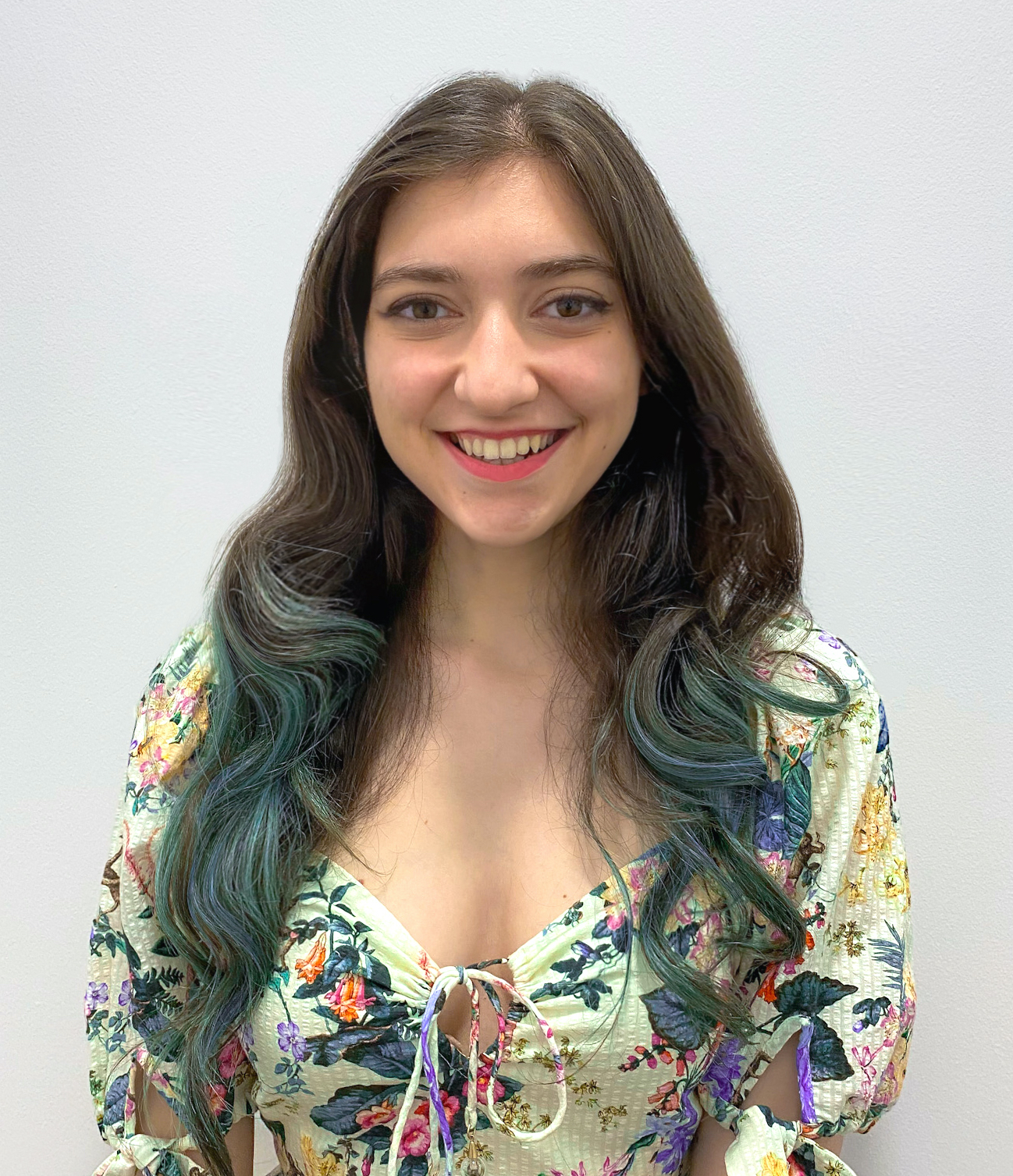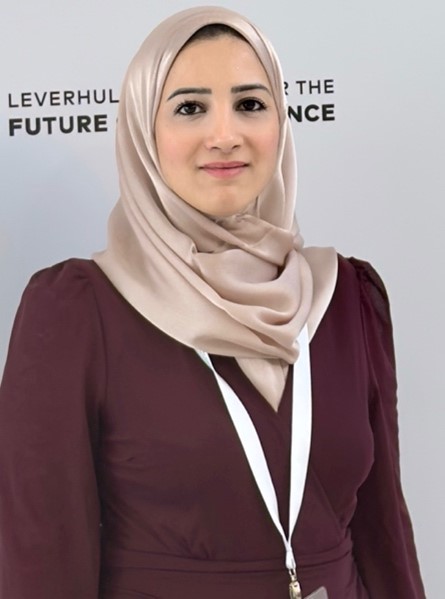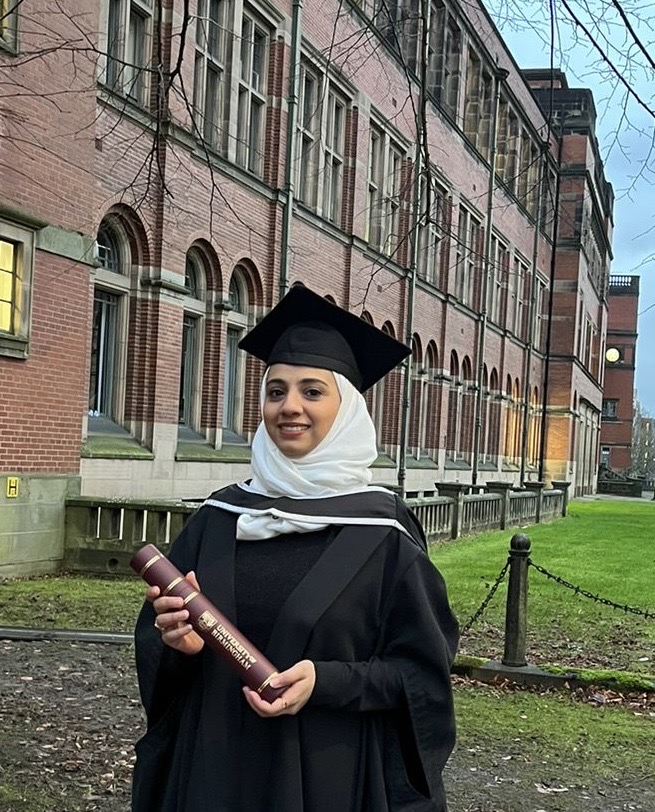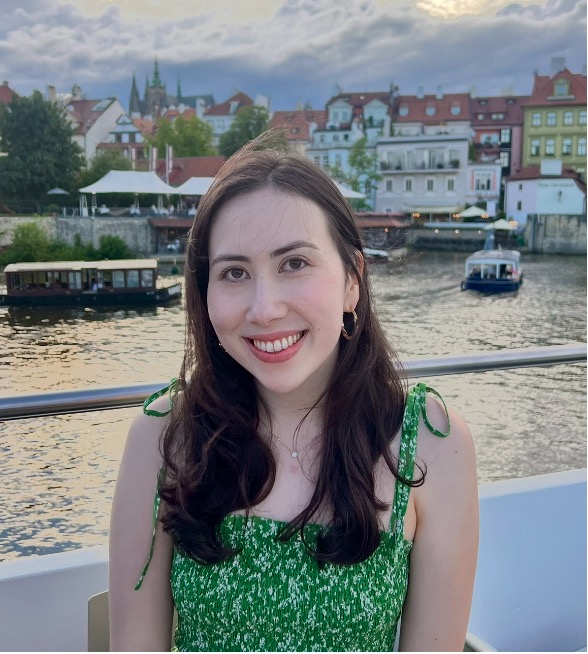

We are an interdisciplinary research team based at King’s College London and Guy’s Hospital, dedicated to advancing biophotonics and its applications in health and disease. Our research is driven by a commitment to address fundamental biomedical challenges and to develop innovative solutions for clinical practice. Follow us on twitter: @Bergholtlab

News


  • Jan 2026: Congrats to Vishal Kumar for being shortlisted for Stem for Britain 2026 to present for the Parlament
  • December 2025: We are beyond grateful to the European Research Counsil (ERC) for awarding us the the ERC Consolidator grant of €2.2M to develop new tools for cancer diagnostics
  • November 2025: Congratulations to Dr Magnus Jensen for being awarded a EPSRC IAA grant
  • October 2025: Congratulations to Dr Jiarnong Qiu for his publication in Analytical Chemistry on using fibre-optics to probe intra-cardiac fluorescence (link)
  • July 2025: We are very excited to be accepted into the Venture Builder programme in the London Institute for Healthcare Engineering (LIHE) to support our innovative photonic tools for early cancer diagnostics
  • May 2025: Congratulations to Vishal Kumar for recieving the PGR Best thesis style presentation award
  • May 2025: Congratulations to Jianrong Qiu recieving the LIHE Accelerator award
  • Jan 2025: Our project LIP was awarded the London Institute of Healthcare Engineering (LIHE) Best Innovation Award
  • Nov 2024: Congratulations to Dr Magnus Jensen who was awarded the Outstanding Thesis Prize of King's College London for his thesis entitled "Integrated Raman spectroscopy and mass spectrometry for heterospectral tissue imaging"
  • April 2024: Dr Bergholt will be giving a keynote talk at Spring SciX. 18 April 2024 • 3:30 PM - 4:00 PM PST | Glasgow, University of Strathclyde, UK
  • March 2024: Our Team was awarded the MRC Impact Accelerator Award (IAA)
  • January 2024: Dr Liu will be presenting her work "Correlated vibrational spectroscopies and mass spectrometry imaging of tissues" at Photonic West 2024 BIOS. 27 January 2024 • 5:30 PM - 5:50 PM PST | Moscone Center, Room 201 (Level 2 South)
  • January 2024: Dr Qiu will be presenting his work "Multiplexed fibre-optic real-time monitoring of fluorophores in perfused hearts" at Photonic West 2024 BIOS. 27 January 2024 • 3:55 PM - 4:15 PM PST | Moscone Center, Room 307 (Level 3 South)

Our Research


We develop innovative biomedical imaging instruments and methods to study light–tissue interactions, aiming to answer fundamental biological questions and address widespread diseases, with a particular focus on cancer. Biophotonics, the science and technology of generating, detecting, and manipulating light in biological systems, is a transformative force in modern biomedical research. Our work sits at the intersection of multiple disciplines, including microscopy, spectroscopy, spatial biology, advanced endoscopy, and artificial intelligence. We apply advanced imaging and spectroscopic techniques, including multidimensional correlative imaging, to both preclinical disease models and patient studies, providing new insights into disease onset and progression. Our biophotonics laboratories at Guy’s Hospital are fully equipped with state-of-the-art label-free imaging platforms, including multi-photon and fluorescence lifetime imaging, confocal and conventional Raman microscopy, fiber-optic Raman spectroscopy, hyperspectral imaging, DESI-mass spectrometry imaging, and endoscopic/laparoscopic imaging systems. We work closely with clinical partners to translate these technologies into real-world healthcare settings.

The key research interests of the group fall within 3 complementary topics:

  • Multidimensional molecular imaging
  • Artifical intelligence enabled biophotonics.
  • Biophotonic applications in regenerative medicine and in vivo translation

Multidimensional molecular imaging


We develop innovative instruments and technologies for multimodal bioimaging at the molecular level. In label-free bioimaging, the detected light arises directly from the interaction between the excitation light and the biological sample. These interactions can trigger a range of physical processes, including scattering, absorption, and fluorescence decay. .


Our laboratory focuses on developing advanced correlative imaging approaches that combine multi-photon microscopy, fluorescence lifetime imaging, confocal Raman spectroscopic imaging, and optical coherence tomography. We further integrate optical spectroscopy with cutting-edge molecular profiling techniques, including Desorption Electrospray Ionisation (DESI) mass spectrometry imaging (MSI) and spatial transcriptomics, to achieve a comprehensive view of biological systems.
Artifical intelligence enabled biophotonics.


Artificial intelligence (AI) has seen a rapid surge in interest and breakthroughs across diverse fields, including natural language processing, computer vision, reinforcement learning, and autonomous systems. In biomedical research, label-free bioimaging provides powerful, non-invasive analysis of biological samples, such as live cells and tissues, without the need for exogenous contrast agents.


We develop advanced AI approaches tailored to label-free bioimaging and biophotonics, enabling enhanced imaging fidelity, accelerated analysis, and improved diagnostic capabilities.

Development of clinical biophotonics technologies for early in vivo diagnosis of diseases


Early detection and intervention are critical to reducing cancer-related mortality. Emerging cost-effective biophotonic approaches for in vivo molecular analysis have the potential to transform clinical healthcare. Next-generation cancer diagnostics will rely on technologies capable of detecting, grading, and staging lesions at the earliest stages of disease.

Our approach integrates optical imaging, spectroscopy, and optical coherence tomography (OCT) to develop systems for comprehensive characterization of early-stage cancer. We believe that a multimodal imaging strategy, such as simultaneous Raman spectroscopy and OCT, has the potential to become the next-generation technology for in vivo cancer diagnostics. The clinical applications of Raman spectroscopy are already showing significant promise, including in the in vivo diagnosis of cancers, osteoarthritis, and monitoring tissue-engineered implants. Additionally, our lab actively investigates the fundamental mechanisms of light-tissue interactions to enhance our understanding of light transport in biological tissues.

Publications


Selected publications

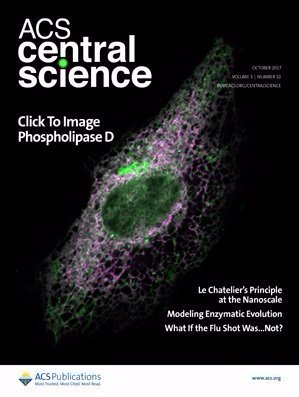
Opto-Lipidomics of Tissues (Advanced Science).

M. Jensen, S. Liu, E. Stepula, D. Martella, A. A. Birjandi, K. Farrell-Dillon, K. L. A. Chan, M. Parsons, C. Chiappini, S. J. Chapple, G. E. Mann, T. Vercauteren, V. Abbate,and M. S. Bergholt
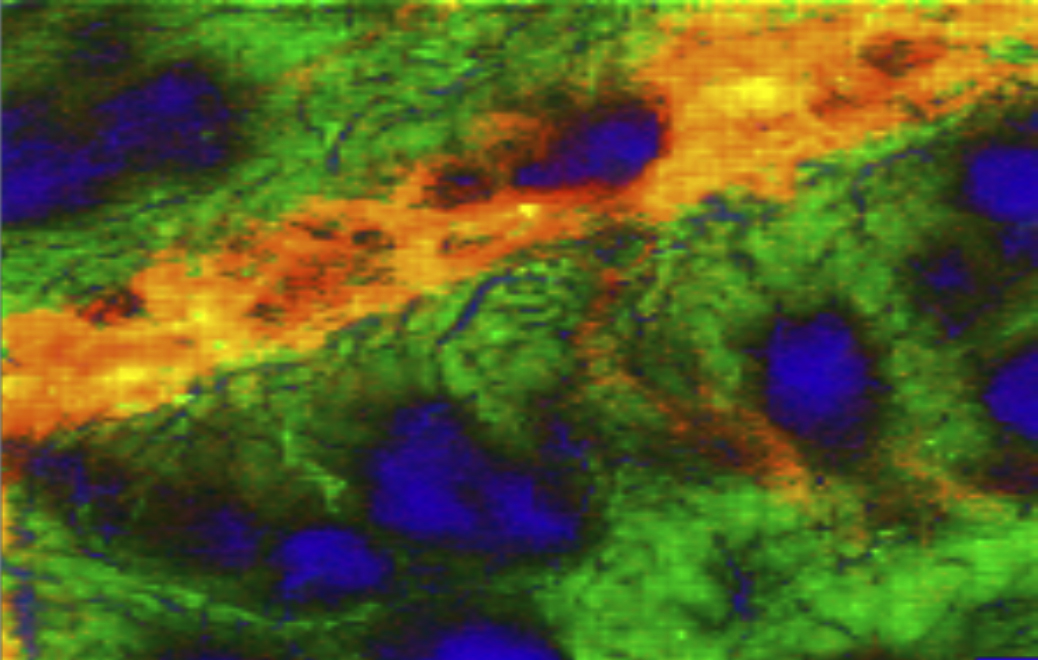
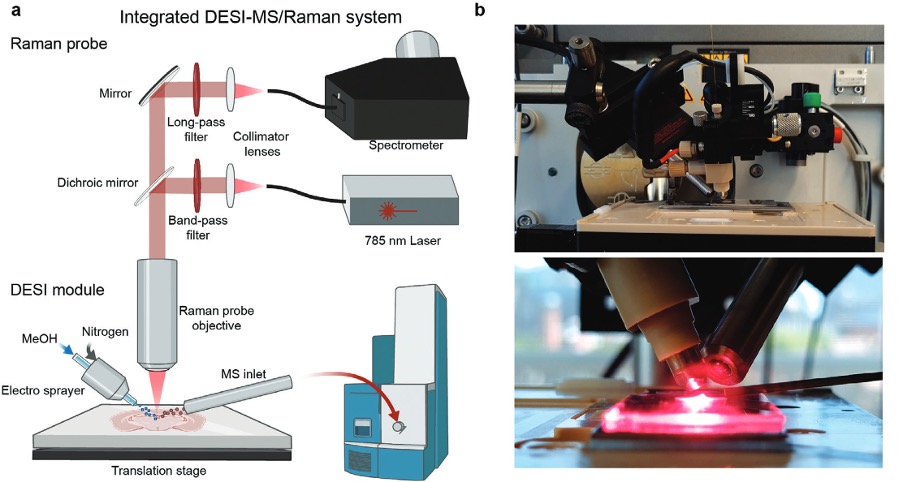
In this study, opto-lipidomics, a new approach to optical molecular tissue imaging is introduced. The capability of vibrational Raman spectroscopy is expanded to identify individual lipids in complex tissue matrices through correlation with desorption electrospray ionization (DESI) – mass spectrometry (MS) imaging in an integrated instrument...

Raman needle arthroscopy for in vivo molecular assessment of cartilage (Journal of Orthopaedic Research)

Kimberly R. Kroupa, Man I Wu, Juncheng Zhang, Magnus Jensen, Wei Wong, Julie B. Engiles, Thomas P. Schaer, Mark W. Grinstaff, Brian D. Snyder, Mads S. Bergholt, Michael B. Albro,
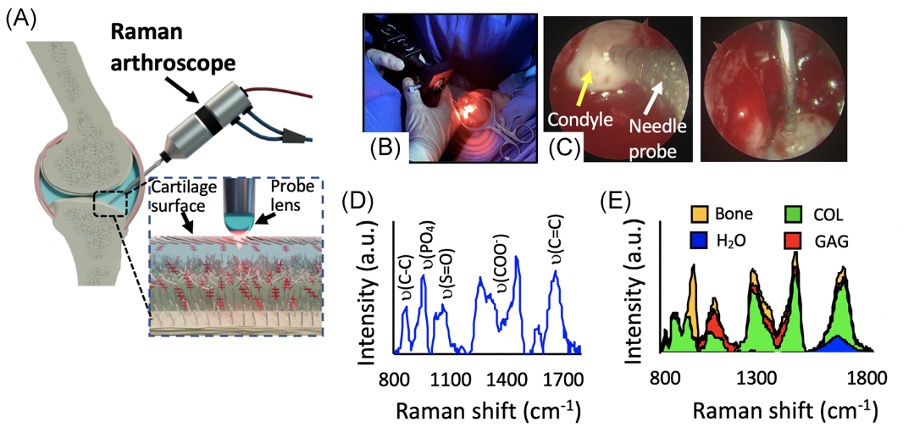
The development of treatments for osteoarthritis (OA) is burdened by the lack of standardized biomarkers of cartilage health that can be applied in clinical trials. We present anovel arthroscopic Raman probe that can “optically biopsy” cartilage and quantify key extracellular matrix (ECM) biomarkers for determining cartilage composition, structure, and material properties in health and disease....

High-Throughput Molecular Imaging via Deep-Learning-Enabled Raman Spectroscopy (Analytical Chemistry)

C. C. Horgan, M. Jensen, A. Nagelkerke, J.P. St-Pierre, T. Vercauteren, M. M. Stevens, and Mads S. Bergholt,
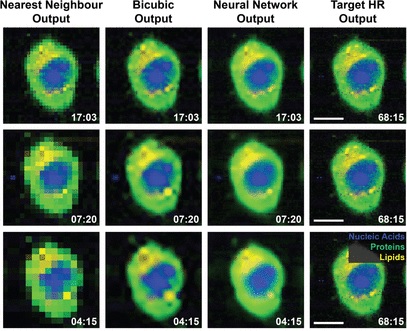
Here, we present a comprehensive framework for higher-throughput molecular imaging via deep-learning-enabled Raman spectroscopy, termed DeepeR, trained on a large data set of hyperspectral Raman images, with over 1.5 million spectra (400 h of acquisition) in total....

Fiber-optic probe Manufacturing Facility (FMF)


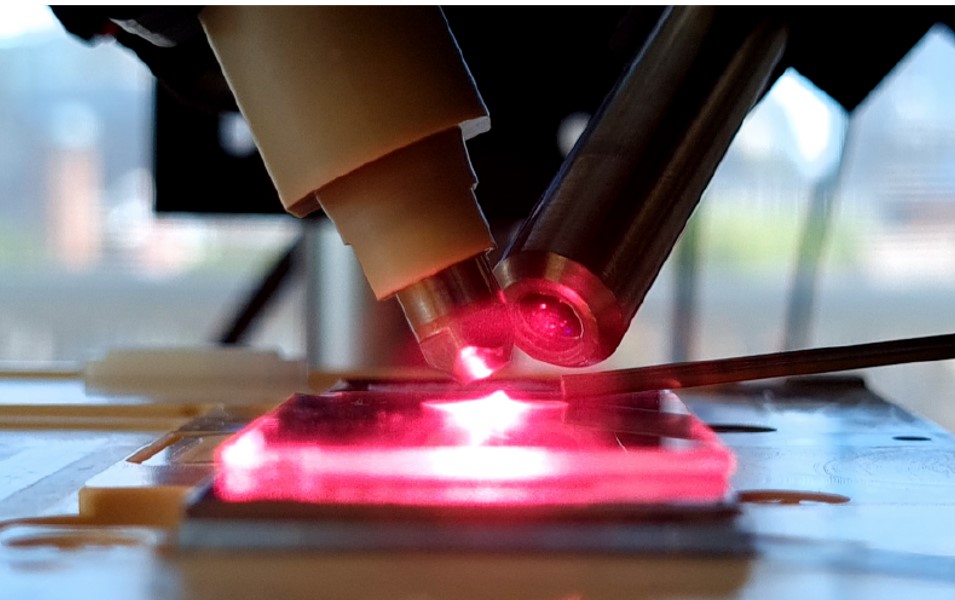
Introducing our cutting-edge Fiber-Optic Probe Manufacturing Facility (FMF), a groundbreaking initiative to push the boundaries of fiber-optic technology in biomedicine! At FMF, we host an advanced suite of equipment for prototyping and engineering bespoke fiber-optic probes, designed to tackle a wide array of applications, including Raman spectroscopy, fluorescence analysis, optical coherence tomography (OCT), multiphoton imaging, and much more. We’re excited to collaborate and open our doors to new possibilities. If you’re interested in partnering with us or utilizing our state-of-the-art equipment, don’t hesitate to reach out!

  • Our FMF is fully equipped with cutting-edge fiber-optic tools to ensure precision and innovation. The facility features advanced fiber cutting and splicing machines, including an angle fiber cleaver, fiber stripper, fiber fusion splicer, 4X microscope, magnifying lamp, UV curing lamp, and specialized fiber polishing equipment. These state-of-the-art tools enable us to create highly refined and customized fiber-optic probes for a wide range of biomedical applications.
  • Our facility is equipped with a diverse range of laser systems, including 350, 488, 532, 633, and 785 nm lasers, along with pulsed and tunable lasers, and other advanced light sources. These cutting-edge lasers provide the precise illumination necessary for a variety of optical sensing techniques, ensuring that our probes deliver highly accurate and reliable results.
  • We use high-resolution spectrometers and highly sensitive detectors to analyze the signals generated by our probes. These state-of-the-art devices ensure that our probes deliver precise, detailed information for a variety of applications, including fluorescence, Raman spectroscopy, and optical coherence tomography (OCT).

Team


We are an interdisciplinary research team consisting of physicists, chemists, optical and biomedical engineers.

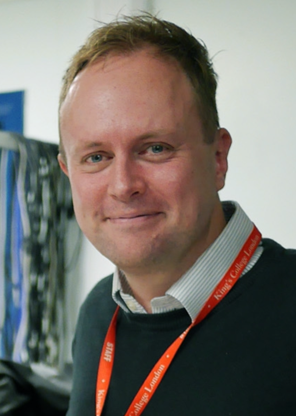
Mads S. Bergholt

Principal Investigator

Mads is a Reader in Biophotonics. He received his MSc. in optics from the University of Southern Denmark and his Ph.D. in Biomedical Engineering from National University of Singapore. He was a Marie Curie Fellow at Imperial College London. His research interests include biomedical optics, optical imaging, advanced endoscopy and artificial intelligence.

Shiyue Liu (Dora)

Postdoctoral Research Associate

Dora received her BSc. in Biomedical engineering and PhD in Biochemistry from The Chinese University of Hong Kong. She is currently a Postdoctoral Research Associate at King's College London. Her research interests include multimodal biomedical imaging, Raman and FTIR spectroscopy, laser and cell/tissue interaction.

Jianrong Qiu

Postdoctoral Research Associate

Jianrong Received his MSc. in information engineering and Ph.D. in optical engineering from Zhejiang University. He is currently a Postdoctoral Research Associate at King's College London. His research interests include optical coherence tomography, advanced endoscopy and Raman spectroscopy.

Magnus Jensen

Postdoctoral Research Associate

Magnus Received his MSc. at University of Sourthern Denmark and his PhD from King's. He is currently a Postdoctoral Research Associate at King's College London. His interests include commercial exploration of biophotonics

Sinead McCabe

PhD student

Sinead is a doctoral student in the translational research in cell and gene therapies program in the Najer Lab. Sinead completed her MSc degree in Biology at the University of California, San Diego. After completing her MSc, Sinead worked in the biotechnology industry for 2 years. Her research interest includes studying approaches in cell and gene therapies, specifically nanoparticle technology to create novel cancer treatments.

Marija Dimitrievska

PhD student

Marija received her MSci in Molecular Genetics from King’s College London. With a strong research background in gene editing and the investigation of cancer mutational signatures, she is now pursuing her PhD at the same institution. She works on developing a novel approach for molecular characterisation of chronic wounds in Recessive Dystrophic Epidermolysis Bullosa, utilising Raman spectroscopy and DESI-Mass Spectrometry.

Vishal Kumar

PhD student

Mr Vishal Kumar is currently a full-time doctoral student at King's College London. He received his integrated master's degree from Indian Institute of Science Education and Research (IISER) Mohali with a major in Physics and a minor in Data Sciences. He has research experience in applications of Artificial Intelligence (AI) and development of different biomedical diagnostic modalities such as Photoacoustic. He is currently exploring Raman spectroscopy for joint disease diagnosis.

Ji Chen

PhD student

Ji is a PhD student at King’s College London, where she completed her MSc in Regenerative Dentistry. She has a strong background in clinical dentistry and stem cell engineering. Her current research focuses on the use of Raman spectroscopy as a novel method for the molecular assessment of alveolar bone depth following dental implantation

Fatima Al-Shemary

PhD student

Fatima hold a BSc in Biomedical Science from the University of Westminster and an MSc in Genomic Medicine from King’s College London in partnership with St George’s. Her PhD focuses on developing widefield imaging modalities for twin-to-twin transfusion syndrome, combining optical physics, AI-enabled image analysis, and translational perinatal medicine. She is passionate about multidisciplinary approaches that improve surgical precision and patient outcomes.

Muzn Bamatraf

PhD student

Mozn is a PhD student at King’s College London. She holds a BSc in Medical Laboratory Technology from King Abdulaziz University, and an MSc in Toxicology from the University of Birmingham. Her doctoral research focuses on developing high-throughput methods to improve the diagnosis and prognosis of leukemia. She is particularly interested in using label-free spectroscopic techniques, such as Ramen and FTIR spectroscopy to study live-cells.

Alumni

Dr. Conor Horgan, Dr Elzbieta Stepula, Dr Steven Vanuytsel, Dr Magnus Jensen (PhD) Christina Gidarie (MSc), Kaur Palwinder (MRes), Khouj Osama (MRes), Ben Bowen (MSc), Margarita White (MSc), Chloe Roberts (MSc), Preveen Surendranathan (MSc),Youxi Zhang (MSc), Sabiha Khan (MRes), Kajetha Subaharan(MRes), Dr Priyanka Bhosale

Contact us


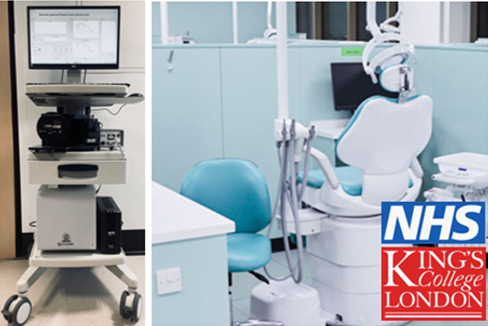
We are located in a interdisciplinary clinical environment at Guy's Hospital, King's College London.

Contact Information

Label-Free Bioimaging Laboratory
King's College London
Centre for Craniofacial and Regenerative Biology
Floor 17, Tower Wing
Great Maze Pond, London SE1 9RT
mads.bergholt@kcl.ac.uk

Drop Us A Message


js?sensor=false">